
- July 15, 2026
- By Rimsha Umer
- In AI, AI Data Analytics, Car Tint, Diagnostics
- Tags car window, car window tinting
- 108
- 0
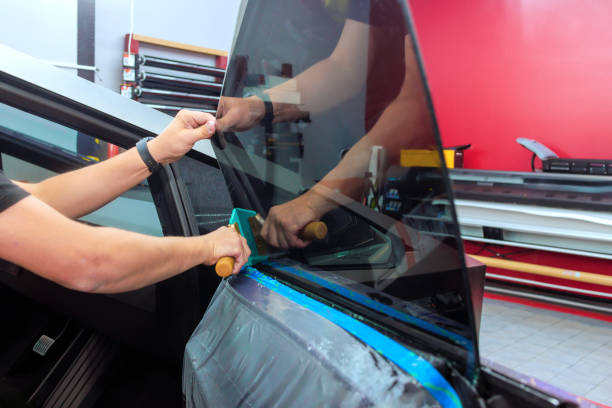
I can still recall the first time, after a long day at work, that I got in my car and was able to grab my steering wheel only to find it had been sitting on a stove. This is typically when people begin researching Car Window Tinting. It’s not just about looking good; either tint cuts down glare, keeps UV rays off your skin, and stops your dashboard from cracking after a few summers. This guide walks through the different film types, what you’ll actually pay, the laws you need to know about, and how the whole install process works, so you’re not guessing when you call around for quotes.
In other words, window tinting is a process of applying a thin film to the inside of a vehicle’s glass. This film reduces the amount of visible light, UV and heat that passes through.
This is measured in terms of something called VLT or Visible Light Transmission. The lower the number, the darker the glass will appear. A 5% tint is nearly black — you can barely see through it from outside. A 50% tint is much lighter, almost like regular glass with a slight shade.
There isn’t just one kind of film out there. You’ve got dyed, metalized, carbon, ceramic, and hybrid options, and honestly, the differences between them matter more than most people expect. Here’s how they stack up.

The one thing no one thinks of is sun damage. It blocks up to 99% of the UV’s and helps prolong the life of your dashboard, while protecting your skin during long trips.
You’ll also notice the cabin runs cooler. Less solar heat gets in, so your AC doesn’t have to work overtime just to keep things bearable in July.
There’s a privacy angle too darker glass means people can’t easily see what’s sitting on your back seat, which honestly gives some peace of mind when you’re parked at a mall or gas station.
Glare is another thing that tint handles well. Anyone who’s driven straight into a sunset knows how blinding that can get, and tint takes the edge off both sun glare and oncoming headlights at night.
Because the interior isn’t baking in direct sun and UV all day, your seats and trim hold up better over time less fading, less cracking, less of that dried-out look older cars sometimes get.
| Film Type | Price | Heat Rejection | UV Protection | Durability | Signal Interference | Best Use Case |
| Dyed Tint | Low | Fair | Good | Low (fades over time) | None | Budget buyers |
| Metabolized Tint | Moderate | Good | Very Good | Moderate | Possible | Daily commuters |
| Carbon Tint | Moderate-High | Very Good | Excellent | High | None | Style + performance |
| Ceramic Tint | High | Excellent | Excellent | Very High | None | Long-term owners |
| Hybrid Tint | Moderate | Good | Very Good | Moderate-High | Minimal | Balanced budget/performance |
The costs vary from film to film and car-to-car. The least expensive option is dyed film, typically $100-$250 for a sedan and a little more for a truck or SUV. The middle ground (around $150 to $350) is with metalized film. The higher price of carbon is due to its greater resistance to heat rejection and greater ability to retain heat, typically $250 to $500. The most expensive is ceramic, which can cost $350 to $900, but is by far the best.
Dyed tint does the job for basic heat rejection and decent UV protection, but the clarity is nothing special, and give it a couple of years of sun and it starts fading. If money’s tight and you’re okay replacing it sooner, it’s not a bad starting point.
Carbon steps things up. Heat rejection is noticeably better, UV protection is excellent, and it looks sharper, too. It also resists that faded, purplish look dyed film tends to develop over time a solid middle-ground pick.
Ceramic is really the one that’s going to catch everyone’s eye. It absorbs the highest levels of heat, offers the same UV protection as carbon, and will remain crisp for years with no fading. None of these three causes any signal interference, so that’s not really a deciding factor. If your budget allows it, ceramic is generally worth the extra money, but dyed film still gets the job done for anyone watching their spending.
Start with your budget, decide what you’re actually willing to spend before you start calling shops, because prices vary more than you’d think.
Think about your climate, too. If you live somewhere hot, ceramic’s heat rejection pays off fast. If winters dominate your year, it matters a little less.
Don’t skip the local laws check the legal darkness limit in your area before you fall in love with a shade that isn’t allowed.
Your vehicle type plays a role as well. A big SUV needs more film and a bit more labor than a small sedan.
And think about how you drive. If you’re on the road a lot at night, going too dark might hurt your visibility more than it’s worth.

Here’s the thing about tint laws: they’re all over the place depending on where you live. Some places allow a pretty dark tint on side windows, others are strict about it, and a lot of regions won’t let you touch the windshield at all beyond a thin strip at the top.
Before you book an install, take five minutes to look up your local DMV rules. Getting pulled over for illegal tint, or worse, having to peel it off and start over, is a headache you can avoid pretty easily.
Going pro costs more, sure, but you’re paying for a clean, bubble-free job that usually gets done in a couple of hours, plus a warranty if something goes wrong later.
Doing it yourself saves money upfront, but be honest with yourself about your patience level. It can eat up the whole afternoon or longer, usually warranty to fall back on, bubbles or peeling edges real risk it’s your first time handling film.
Quality tint can last 5–10 years or more with proper care.
Yes, tint lowers cabin heat, which can ease strain on your air conditioning system.
Yes, though it requires heat and careful peeling to avoid damaging the glass.
For most drivers, yes, it offers superior heat rejection and long-term durability.
Metalized film can occasionally cause minor interference; ceramic and carbon typically do not.
At the end of the day, car window tinting comes down to matching your budget, your climate, your local rules right film. Ceramic will cost more but gives you the best performance if you plan to keep your car a while. If you’re just trying to keep costs down, dyed or metalized film still gets the basics done. Whichever way you go, get it installed properly and take care of it afterward, and it’ll pay off for years.


