
- August 9, 2026
- By Rimsha Umer
- In AI Data Analytics, Belts, Diagnostics
- 90
- 0

Car seat belt safety isn’t simply a rule. It is a habit which saves lives. Each time you enter a vehicle, your seat belt is your first line of defense. During a collision, it can be a difference between a minor injury and a serious injury. Buckling up only takes a few seconds. It affords protection for the whole journey.
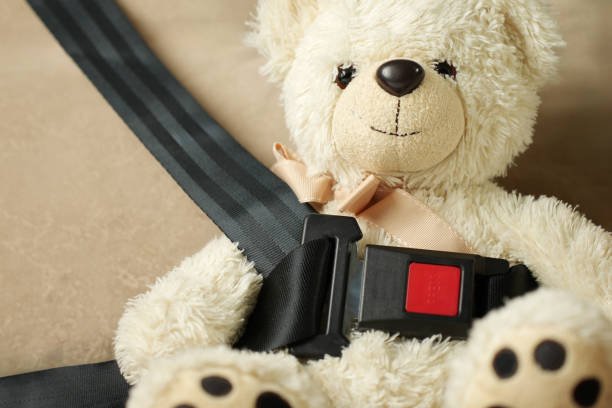 Seatbelts are used to help hold you in place in case of sudden stops or crashes. If an accident occurs, your body will keep moving forward at the same speed as the vehicle. If not wearing a seatbelt, you might hit the dashboard, windshield or even be thrown from the vehicle.
A seat belt is to keep you stable. They distribute the impact of the blow over more substantial areas of your body such as your chest and hips. This helps to prevent serious injuries.
According to statistics, the seat belt saved almost 45% of the life of the front-seat passenger in road registered vehicles. We all know that car seat belt safety is important, and that’s just one reason why.
The most serious risk in the event of a collision is being thrown from the vehicle. The majority of those who are ejected from vehicles in an accident die. Seat belts prevent this all together.
Airbags are meant to be used in conjunction with seat belts. If you’re in the car without a seat belt, an airbag can be a serious injury hazard. Both systems adequately protect you when you are wearing a seat belt.
Using a seat belt reduces the risk of head, neck and internal injuries. They maintain control and alignment of your body during impact.
It’s important to wear a seat belt properly – if you don’t wear one at all.
The shoulder belt should be placed across the middle of your chest and on your shoulder. Never be put under the arm or behind the back.
The lap belt must be low and snug across your hips, and not over your tummy. This position helps to keep your internal organs from being damaged if you fall onto them.
Be sure to prevent the belt from being twisted. A twisted belt will be less sturdy and will be dangerous for people to be injured.
Car seat belt safety is a topic of special concern to children.
Infants and toddlers are required to be properly secured in an infant, child passenger restraint. Older children should continue to use booster seats until they are able to fit the seat belt safely across their bodies.
A regular car seat can be used for a child only when:
For the safety of all children, they are always best kept in the rear seat, if under 13 years old.
There are lots of little errors that can diminish protection.
Every ride matters. The majority of crashes occur within 100 miles of their homes. Don’t think that a short drive is safe enough to forgo safety belt use.
To maintain the effectiveness of seat belts, they must be kept in simple maintenance. Check them periodically for thinning, rips or fraying. Put the buckle through a test to make sure it engages and disengages correctly. Ensure that the belt retracts smoothly.
If your car has been in an accident, have the seat belts inspected. They may appear good externally, but have internal damage. Use mild soap to gently clean belts. Don’t use rough chemicals that are detrimental to the material.
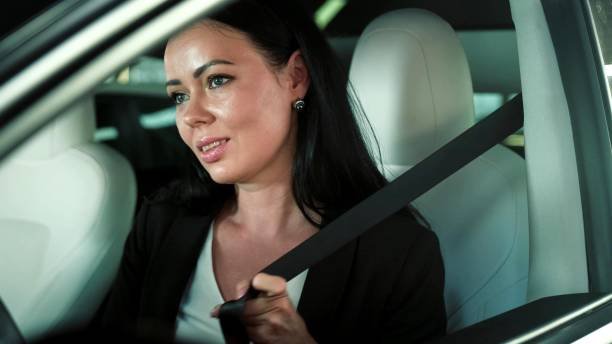 Seatbelts aren’t just a government mandate, they are in place for a purpose. In most states, it is required that drivers and passengers wear a safety belt. Fines will cost you a lot of money. The downside of not wearing one, however, can be much more significant.
Insurance companies also may decrease claims if nobody was wearing a seat belt during an accident. By following the seat belt safety laws, you’re saving your wallet and your life.
Yes. Most of the accidents occur within 10 miles of one’s home.
No. Airbags do not replace a seat belt, they are intended to be used with one.
How many times a week would you like to check seatbelts?
Check them periodically and follow all accidents.
4) Is it safe for pregnant women to use seat belts?
Yes. The lap belt should go across the hips, under the belly.
Absolutely. All occupants of the car should wear their seat belts.
Using a car seat belt properly is one of the easiest and most effective ways to keep safe while driving. Buckling up takes only a few seconds, but can save a life in a split second. Remember to do this each time you drive. Practise this with your family. Security begins with this one simple click.


