
- July 28, 2026
- By Rimsha Umer
- In Belts, Brakes, Car Glass Repair
- Tags Check Car Brakes
- 90
- 0
The most important safety feature of your car is the brakes. Riding on worn brakes is the cause of accidents. Most people don’t pay attention to the condition of their brakes. It’s a serious error. At home, it is simple to check car brakes. Special tools are not necessary. It requires only a little bit of time and attention. Frequent inspections save lives and costs.
 Inspect brakes on vehicles twice a year. Be sure to check them after extended trips. If there’s an uneasy feeling, check it right away. Please don’t delay your next service visit. When damage can occur, it’s most effectively prevented by early detection. This also helps to maintain the low cost of repairs.
Learn the warning signs before going to check.
Each of these symptoms is very serious. Do not ignore them. Immediately inspect your brakes.
A few tools are sufficient. Here are some simple ones:
Always work on a level area. Always park the car in a safe location. Apply handbrake prior to starting.
Begin with an easy listening exercise. Drive in an area where there is little traffic. Slowly apply the brakes. Listen carefully for any sounds. Pads worn = squeaking. Grinding is when metal is rubbing metal. This is a very serious matter. Pull over and ask for assistance as soon as possible.
Gently apply the brake pedal. Notice the sensation that it produces. A hard pedal is an indication of a good element. If the pedal feels soft or spongy, it’s not normal. It could be low brake fluid. It could also mean air in the brake lines. When the pedal hits the floor, STOP driving. This is extremely risky.
Place the car hood open. Find the brake fluid reservoir. Typically located in the rear of the engine compartment. Check the fluid level. On the side there are MIN and MAX lines. The fluid should be drawn in between these lines. Low fluid: Possible leak. It also can indicate that your brake pads are worn. Add fluid as necessary. Utilize the appropriate one listed in your manual.
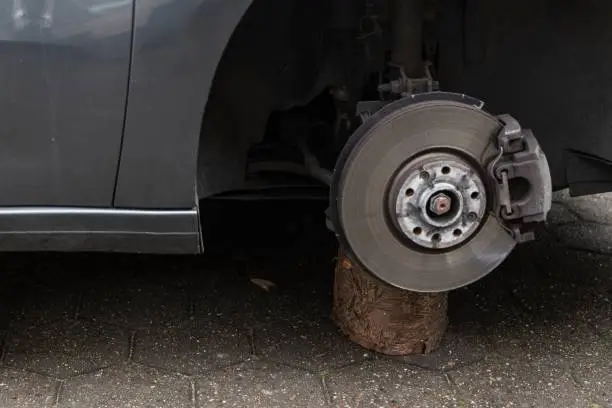
Check the brake pads without taking the wheel off. Look through the wheel spokes with a flashlight. The brake rotor will be visible, as will the brake pad. The thickness of the pad must be at least 3mm thick. If they are thinner than this, they need to be replaced. When you can’t get a clear view, take the wheel off and examine it from a distance.
Jack up your car safely. Use a lug wrench to remove the wheel. Now you see the picture! Check the brake pad thickness carefully. Inspect also the surface of the rotor. It should have a smooth and even texture. If the rotor has deep grooves or scores, the rotor is damaged. Inspect inside and outside pads. Pad should be replaced immediately if worn.
Take a careful look at the rotors. A good rotor should be smooth and flat. Deep lines or grooves are not good signs. If the car sits for days, then a rusted rotor is normal. Rust is typically resolved by lighting up and stopping a few times. Heavy rust is an issue, though. Vibration during braking is caused by warped rotors. This requires professional care.
Inspect wheelhouse area. Pay attention to moisture or oily stains. Brake fluid is light yellow in color. Has a slightly oily sensation. It’s important to note that any leak is serious. If a leak is observed, do not drive! Immediately take the car to the mechanic.
There are some problems with brakes that require the aid of a professional. Call a mechanic if:
The most important rule is to take safety first. Do not play with the brakes.
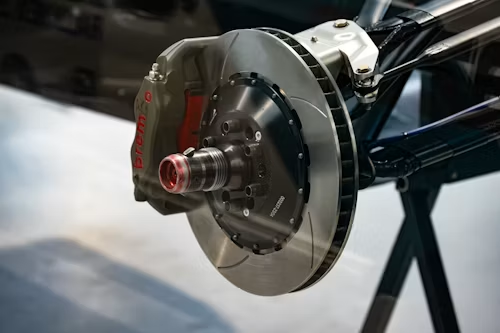 Your brakes are better protected by good habits!
These routines make a difference. You’ll have a longer life from your brakes.
It is easy to check the brake of a car at home. All you have to do is be attentive. Listen, feel and look closely. Prevent small issues from becoming large issues. Change worn pads in a timely manner. Maintain adequate brake fluid level. Good brakes are essential for your safety and family’s safety. Regularly test your brakes. Drivers: Drive safe on all trips.
How can I tell if my brake pads are worn?
Check around the wheel spokes. Replace the pad if the thickness is less than 3mm.
Are there any brakes that can be checked without lifting the wheel?
The pads are visible with a flashlight through the wheel spokes.
A spongy brake pedal indicates that the pressure in the brake system is too low.
Typically, it is a result of a low level of brake fluid or lack of air in the brake lines.
When should the brake fluid be changed?
At least once every two years or as specified in your vehicle’s owner’s manual.
Can worn tires be driven on?
Pads decrease stopping power. Change these as soon as possible for safety.


