
- August 3, 2026
- By Rimsha Umer
- In AI Data Analytics, Belts, Brakes, Diagnostics
- 94
- 0
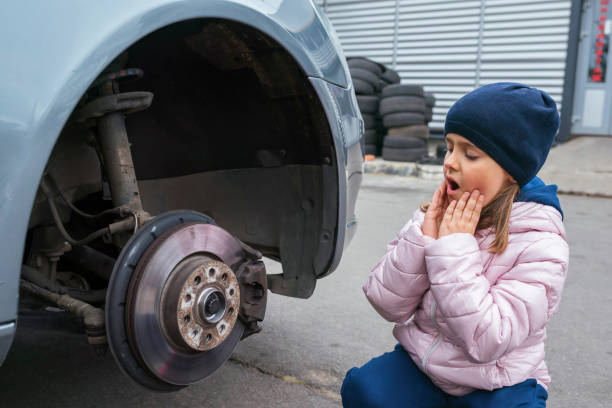
Car brakes making noise. There’s no more irritating than loud brakes. You press the pedal and the sound of a squeal can be heard. Or perhaps a racket grind. It can be terrifying as well. If your car is talking to you, it’s because of the brake noise. It is talking to you about that there is something wrong. Never take it for granted.
This article will shed light on the reasons of noise from brakes. We will also let you know how to deal with it. Let us get started.
 The principle of operation of brakes is to squeeze pads against a metal rotor. This creates friction. The car’s speed decreases due to friction. With the passage of time, components get worn out. If they do they make noise.
Brake noise can have a variety of causes. Some are minor. Some are serious. Knowing the difference may save your life. It can also save you a lot of money as well.
The most common brake squeal is squealing. It’s a shrill noise. It occurs when you push on the foot plate. It can happen even though you don’t.
It’s usually due to worn brake pads. Inside of the pads is a little metal tab. As the pad wears down, this tab comes in contact with the rotor. Produces that squealing noise. It’s an inbuilt warning mechanism.
A squealing brake is a sign of new brakes. This is okay initially. It takes some time for them to get used to it. Allow a couple of days.
Squealing can also be caused by cold or wet weather. The rotors get moisture on them when it is damp in the morning. Squealing may be heard during the initial few stops. This usually goes away quickly.
Noise can also be caused by dust and dirt between the pad and rotor. It can be non toxic. If it persists however, seek it out and get checked.
Grinding makes a big sound. It’s a sound that’s deep and rough. Generally signifies the brake pads are worn out and need to be replaced. This is now the time when the metal backing plate is bearing down on the rotor. Metal to metal contact is extremely hazardous.
This will cause your rotors to wear out quickly. The cost of replacing rotors is high. Never drive using grinding brakes. If you see one, go and see a mechanic immediately.
Grinding may also occur due to a small stone getting trapped. It becomes stuck between top of pad and rotor. This results in a grinding or scraping noise. It can be easily taken off by a mechanic.
Does the braking cause any clicking noises? Typically a loose part. There are small clips inside which attach brake pads to the drum. When these clips are worn out or fall off the pads move around. This causes the sound of clicking and rattling. It may appear not to be a big deal. However loose parts can be hazardous. Get it fixed soon.
Do you feel a thump with each brake? Typically, this indicates warped rotors. Excessive heat causes rotors to become warped. No longer level. Not flat any longer. As soon as the pad touches them, it makes a bumpy sensation and noise.
You could also experience vibration in your steering wheel. This is definite indication of rotor issues. Rotors are warped, and must be resurfaced or replaced.
Are you looking to park your car for a couple of days? Might be a scraping sound when first in motion. This is typically a surface rust on the rotors. It is the result of overnight or in the aftermath of rainfall. It is normal. It will clear after a couple of stops. If it persists after several stops, it is something else that is amiss. Have it inspected by a professional.
It is based on the noise levels. If it squeals a little, that might not be a problem for a little while. On the other hand, the grindings imply that you need to halt your driving right away. So soon the clicking and thumping should be investigated.
If the brakes of the car are squealing, it is a caution. Not treating them properly will make them worse. The small difficulties turn into big difficulties. Things that are $150 now, may be $500 next year. Don’t ignore brake noise. Your safety is our first priority.

Mechanic repairing car brake disc with hands close up showing maintenance process and attention to detail in car service environment
There are remedies to the problem depending upon the cause. These are some of the more common solutions.
Make sure to always use good parts. Badly priced pads are more likely to wear out quickly. There is also the issue that they are noisier.
Don’t delay too much. If you hear grinding go to a mechanic. If the sound persists for several days go. If there are vibrations or shaking, go! If the brake pedal becomes soft or goes to the floor, then also go.
If it’s a good mechanic they’ll check everything. They inspect pads, rotors, calipers and fluid. They are able to identify the cause of the problem in a timely fashion.
If cars are making noise in their brakes, it’s never something to be ignored. It’s your car saying loud and clear. Each of these ‘noises’ has a specific meaning, whether it be a squeal, grind or click. When you know what is causing the issue, you can take action quickly. Care should be taken of the brakes. They make sure that you are being taken care of. Drive safe on all trips.
Q1. Can braking squeal be avoided while driving?
A slight whine – may be fine for a short time. But have it looked at soon – just in case!
Q2. What causes the squealing of my brakes in the morning?
Rotors are light rust as a result of morning moisture. Typically resolves after a couple of stops.
Q3. What is the price of repairing squealing brakes?
This will vary according to the problem. The price of replacing a pad is $100-$300 per axle.
Q4. Do inexpensive brake pads make noise?
Yes. Poor quality pads wear out more quickly and produce more noise than good quality pads.
Q5. When do brakes need to be checked?
Have them checked every 12 months or when you rotate your tires.


